 TheFitnessPlate
Whole Grains vs Refined: Metabolic Responses
Comparison of how different carbohydrate sources influence blood glucose responses, energy availability, and digestive processes.
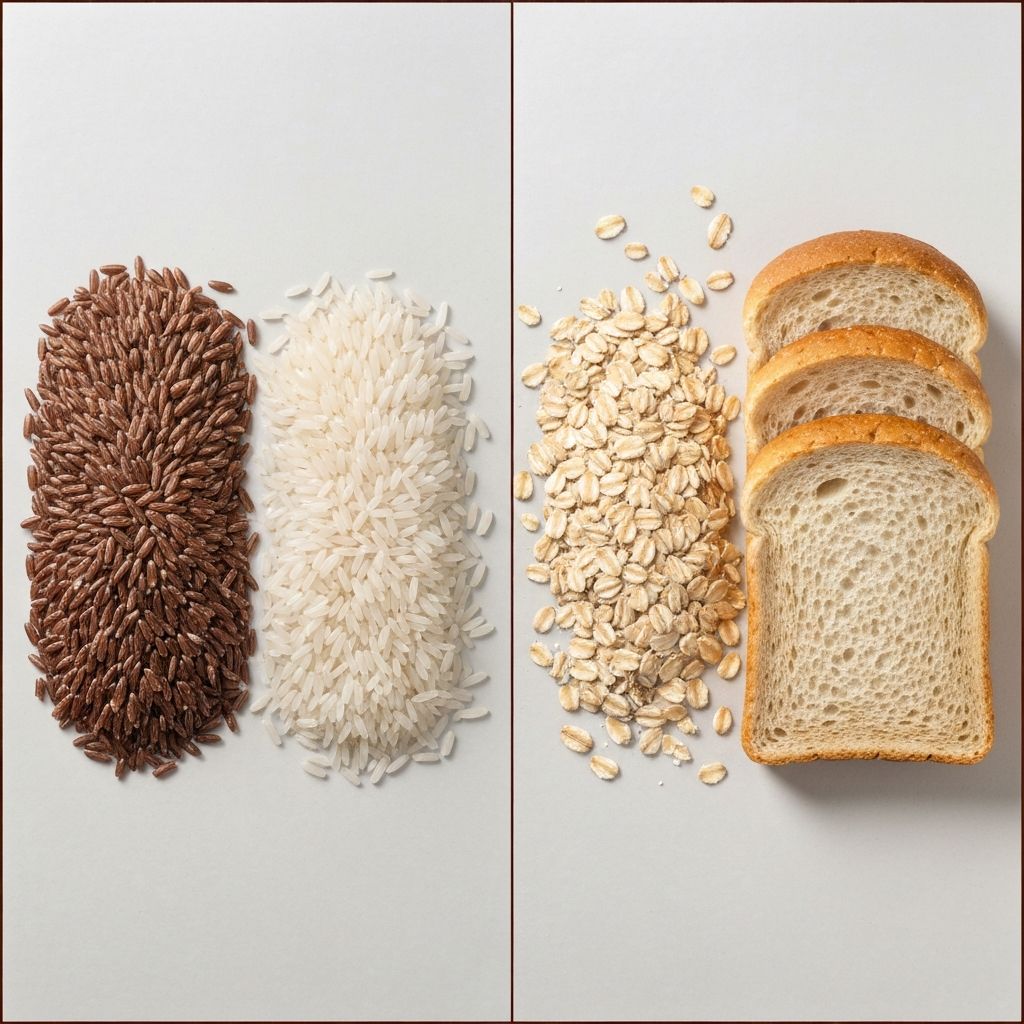
Understanding Grain Structure
Whole grains contain three distinct components: the bran (outer fiber-rich layer), the germ (nutrient-dense inner portion), and the endosperm (starch storage tissue). Refined grains have the bran and germ removed during processing, leaving primarily the endosperm.
This structural difference creates significant implications for nutrient composition, digestive processes, and physiological responses to consumption.
Glycemic Response Differences
Scientific research extensively examines how whole grains and refined grains influence blood glucose dynamics. Whole grains typically produce slower, more gradual increases in blood glucose after consumption, while refined grains often produce more rapid glucose spikes.
These differences reflect:
- Fiber content: Soluble and insoluble fiber in whole grains slow glucose absorption through the intestinal wall, producing more gradual glucose availability.
- Starch structure: Processing disrupts starch structure, increasing its digestibility. Whole grain starch remains partially protected by fiber, slowing breakdown.
- Particle size: Intact grain structure slows enzymatic access to starch compared to refined flour's finely ground particles.
Satiety and Hunger Signaling
The sustained glucose availability from whole grains supports more consistent energy provision throughout the postprandial period. This steadier energy availability, combined with fiber's effects on gastric emptying, contributes to extended satiety compared to refined grains.
Research suggests that meals incorporating whole grains demonstrate greater satiety persistence and reduced subsequent energy intake compared to refined grain equivalents.
Micronutrient and Phytonutrient Content
Whole grains retain significantly greater micronutrient and phytonutrient concentrations compared to refined grains. The germ and bran contain:
- B vitamins supporting energy metabolism
- Minerals including magnesium, zinc, and iron
- Plant polyphenols with antioxidant properties
- Lignans and other bioactive compounds
Commercial refined grains are often enriched with B vitamins to partially offset losses from grain processing, but enrichment cannot restore the full complement of naturally present compounds.
Digestive and Colonic Effects
Fiber in whole grains passes largely undigested to the colon, where it undergoes fermentation by beneficial bacteria. This process generates short-chain fatty acids—butyrate, propionate, and acetate—which serve multiple physiological functions.
These short-chain fatty acids support colonic health, influence satiety signaling, and contribute to overall metabolic health. Refined grains, lacking this fermentable fiber, do not generate these beneficial metabolites.
Sustained Energy Availability
The combination of fiber, intact starch structure, and micronutrient content in whole grains produces more sustained energy availability across hours following consumption. This sustained availability contrasts with refined grains' rapid glucose spike and subsequent decline.
From a practical standpoint, sustained energy availability may support more consistent physical and cognitive performance compared to the energy fluctuations from refined carbohydrate consumption.
Plate Composition Implications
Understanding these metabolic differences supports the emphasis on whole grains in balanced plate frameworks. Incorporating whole grain sources alongside vegetables and proteins creates meals with:
- Sustained glucose availability supporting energy consistency
- Enhanced satiety through fiber and nutrient density
- Micronutrient-rich nutrient provision
- Beneficial colonic fermentation processes
Individual Variability in Responses
While scientific evidence demonstrates general patterns, individual responses to whole grains versus refined grains vary based on genetics, gut microbiota composition, physical activity patterns, and other factors. Metabolic adaptation and personal tolerance differ across individuals.
Educational Context: This article presents information about metabolic differences between grain types based on scientific research. This is educational content, not personalized nutritional guidance. Individual responses vary considerably. Consult qualified professionals for personalized recommendations.